

How do wetsuits work?
A wetsuit works by trapping a very thin layer of water between your skin and the inside of the suit (think of your birthday suit and then imagine this is wrapped perfectly in a thin and even layer of water – all over!). They work best when this layer of water is kept to a minimum (thin being the important word) as it is actually the water which insulates your body. The trapped water is warmed up by your body and then acts as an insulating layer, helping to keep you warm. The most effective wetsuits are those which fit the best, keeping the warm layer of water inside, without it being constantly replaced by new, cold water.
Size matters How should a wetsuit fit?
They should be snug – basically like a second skin! The baggy look and wetsuits are just not a good combination. A wetsuit which is loose on the seals (ankles/wrists/neck) will allow cold water to enter freely – this is known as flushing (yesit can be quite a shock)! If a suit has big wrinkles/baggy areas it will slosh large volumes of cold water around inside, which your body wont be able to heat quickly enough, resulting in you being cold and probably pretty miserable.
Equally, a wetsuit should not be too tight! The name wetsuit means your body should be wet! If your suit is too tight, it will not allow the thin layer of water to flood through and heat up, also making you cold (and yes miserable!)!
The best fit should be tight enough and as even as possible, hugging your body all over allowing the thin layer of water to be trapped, keeping you snug as a bug. (Check out this link to read our guide on How tight is tight!? and what to expect when trying on a wetsuit for the first time.)

Different wetsuit cuts
Wetsuits are available in lots of shapes and sizes, allowing for the natural differences in gender / body type, through to the amount of protection you need based on the climate / weather and also your chosen activity. From wetsuits designed and cut to fit men, women and children (although it should be said theres no hard rules – if it fits, wear it!), wetsuits are also available in different lengths, styles, materials and material thicknesses such as full suits for all the seasons, shorties, long johns, hooded, open water and more! Check out the different wetsuits we offer here.
What are wetsuits made from?
Wetsuits first emerged in the 1950s and were made from a synthetic rubber material called neoprene. For a long time, the production of neoprene, which is essentially a kind of foam material, necessitated the use of hazardous chemicals (petrochemicals), which, looking to the core of why you would want to wear a wetsuit in the first place i.e. its usually down to a love and respect for nature, seems to offend on every level! But dont click away just yet thanks to the movers, shakers and innovators out there, changes have been made and wetsuits on the market today possess a plethora of green credentials and eco-friendly attributes. These new neoprenes vary from materials made from scrap rubber (a by-product of the tyre trade for example), to limestone neoprene which has a considerably lower carbon footprint than any petrochemical alternatives, all the way through to recycled options incorporating recycled plastic bottles.
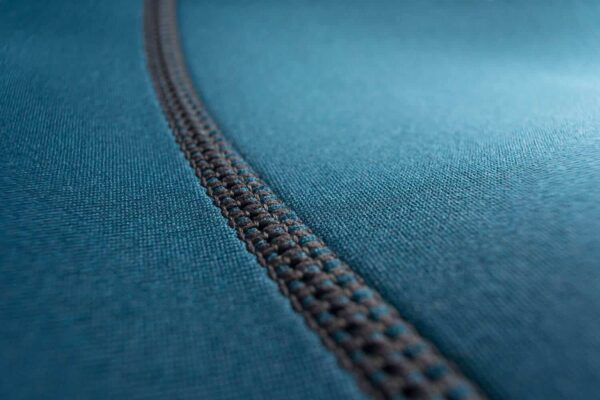
Wetsuit neoprene thickness
The temperature of the water will be the biggest factor in determining the most suitable thickness of your wetsuit, thus giving you the best protection. Generally speaking, the colder the water, the thicker it will need to be. That being said, other considerations such as the air temperature and speed of the wind, your tolerance to the cold and your level of activity (how rigorously you will be moving) are also important. Wetsuits range in neoprene thickness from barely there 1mm, all the way through to cozy 6mm and 7mm (for the brave among us or perhaps for those who cant tolerate the cold at all!). Many suits will also feature a combination of neoprene thicknesses to provide greater flexibility and comfort based on your activity. For example thicker, more protective panels will often be found over areas such as the chest, back, outer arms and thighs, with slightly thinner, more flexible material found under the arms, back of the knees and between the legs for example, enabling a greater range of movement at these articulation points than if the suit was the same thickness all over. (The thicker the suits become, the more restrictive they will generally feel, so keeping a good and comfortable range of movement is important.)
Wetsuit entry systems
Traditionally, wetsuits were only available with a back-zip entry system, but with the evolution of neoprenes, manufacturers have been able to provide materials with increasing levels of flexibility, insulation and much more. Improvements in neoprene technology along with natural design progression has meant that alternative ways of entering wetsuits (getting in and out) became possible, which in turn has provided greater performance all round.
Back-zip wetsuits
As the name suggests, these suits feature a zip which generally starts from around the small of your back and rises through to the top of the neck. The zips feature a long leash/ribbon so you can open/close the zip yourself without the need for a second pair of hands! Back-zip suits are generally the easiest to get on/off as they tend to offer the largest opening, and whilst the fit is key, these models can be less well fitting around the neck due to the zip terminating here and thus flushing can be more frequent. (On the plus side the flush will stop you nodding off!)
Chest-zip wetsuits
You guessed it this style of suit features a zip-closure over the chest, meaning you would get in/out through the shoulder area, bringing the neck flap over your head to seal and close once youre in! With different styles of chest closure, such as whole neck or one shoulder only, these suits are perhaps more challenging/timely to get into, but they tend to offer greater flexibility and improved fit thus reducing flush through and keeping you toasty for longer.
Zip-free wetsuits
Yes its exactly that; no zip anywhere! This is the closest option to feeling like youre not wearing a wetsuit. Without a zip, these suits tend to be lighter and feel more free. Whilst great for some, this style will not suit everyone as they tend to be a little more tricky to get on/off (more wiggling needed than usual!) and their lifespan can be somewhat shorter than others as the opening you need to squeeze through to get in/out can become stretched/deformed over time with repeated use (of course, how much you need to stretch the opening to get in and out will impact how quickly it starts to stay expanded and stop sealing as it should).

Wetsuit construction – seams & stitching
Wetsuits are constructed from different shaped panels of neoprene. Think of a tailored suit/dress and how each panel of fabric is cut to exactly the correct shape to follow the body. The way the neoprene panels of a wetsuit are connected together at these joint lines varies between brands and also the model/style of wetsuit, but how they are joined is an important factor in choosing a wetsuit thats right for you. Why? Because, it can make the difference between blissful comfort and a hellish experience that you never want to repeat again!
As we all know, seams on most clothing items tend to be bulkier/more rigid than the fabric on its own because of the need to join the panels together. Neoprene is no different, in that the joint lines / seams will always be one of the least flexible areas on a wetsuit, which is why taking some time to understand the options is a good idea.
Overlock stitched seams
An overlock stitched seam is the most basic type of seam found on a wetsuit. The neoprene panels are joined by laying the panels on top of each other (face to face) and are stitched along the edge and then opened, leaving the seam rolled and often bulging. The stitching leaves holes in the neoprene which will let the water in! The two main issues with this kind of seam is that it will nearly always leak and it is by far the least flexible of all the options. It will be found on entry-level suits only.
Flatlock stitched seams
A flatlock seam is where the edges of the panels are laid over each other (often cut so the panels are inline and not a double thickness) and the stitching goes through both pieces from one side to the other. Generally, flatlock seams are also glued, for extra strength and also because with all the stitches, holes are left in the neoprene and the glue helps to reduce the water that would leak through at these points! On the whole, flatlock stitching is seen on suits which are intended for warmer weather and as this method of stitching is one of the most cost-effective, it will normally feature on those suits also aimed at entry level.
Blind stitched seams
Blind stitch is essentially where the panels of neoprene are joined and stitched but where the stitch does not penetrate the inside face of the panel. This method is made possible by combining the stitch with glue, to provide a watertight joint. On some wetsuits, these seams will also feature a taped and/or welded seam, giving even more protection to the joint line itself and to you! Glued & Blind Stitched (GBS) seams are often found on entry to mid-range suits.
Liquid wetsuit seams
This kind of seam is known by different names –
- Welded seams
- Liquid seams
- Fluid seams
- Sealed seams
- Etc!
Essentially the neoprene panels are joined by bonding them together, with liquid rubber/silicone allowed to flow over the panels along the joint line, creating a totally waterproof seam (no stitches are used, therefore no holes are made in the neoprene) keeping you very comfortable! It is widely considered this type of seam is the most flexible and therefore comfortable to wear and will most often be found on wetsuits at the top-end of the market.
Taped wetsuit seams
With this type of seam, the neoprene panels are joined together using one of the methods listed above, such as blind stitched or welded etc, but where special neoprene tape is used to provide an extra layer of protection against chafing or leaks and provide general reinforcement. Some suits will feature tape on all interior seams, others may incorporate them at specific areas where more protection is needed.
By the way
Its worth noting that there are often combinations of seam styles on a wetsuit. This is especially true of speciality and technical wetsuits at the high-end of the market where performance is vital. The seams may also feature a range of reinforcements based upon stress points. These reinforcements can be in the form of extra taping, glueing/bonding and welding and may vary in shape, size and location on the suit relative to the area of the body and the range of movement required at that point.
Quick wetsuit care guide
The main thing to remember about a neoprene wetsuit is that they need to be stored salt-water free, dry (and aired) and out of the sun!
They should therefore be rinsed out everywhere with fresh water (inside and out, rinsing for long enough that all salt water is removed) after using in the sea/salt water each and every time!
They should be left to dry fully (that also means the inside and actually we suggest starting inside out!) and then stored out of direct sunlight and in an area where air can circulate.
The better care you give to your suit, the longer it will last.
Check out our full step-by-step guide on Why should I care about my wetsuit? here, along with tips on making repairs to keep it working for you as long as possible, maximising your investment.